
1. Constructivist Learning and Teacher–Student Interaction
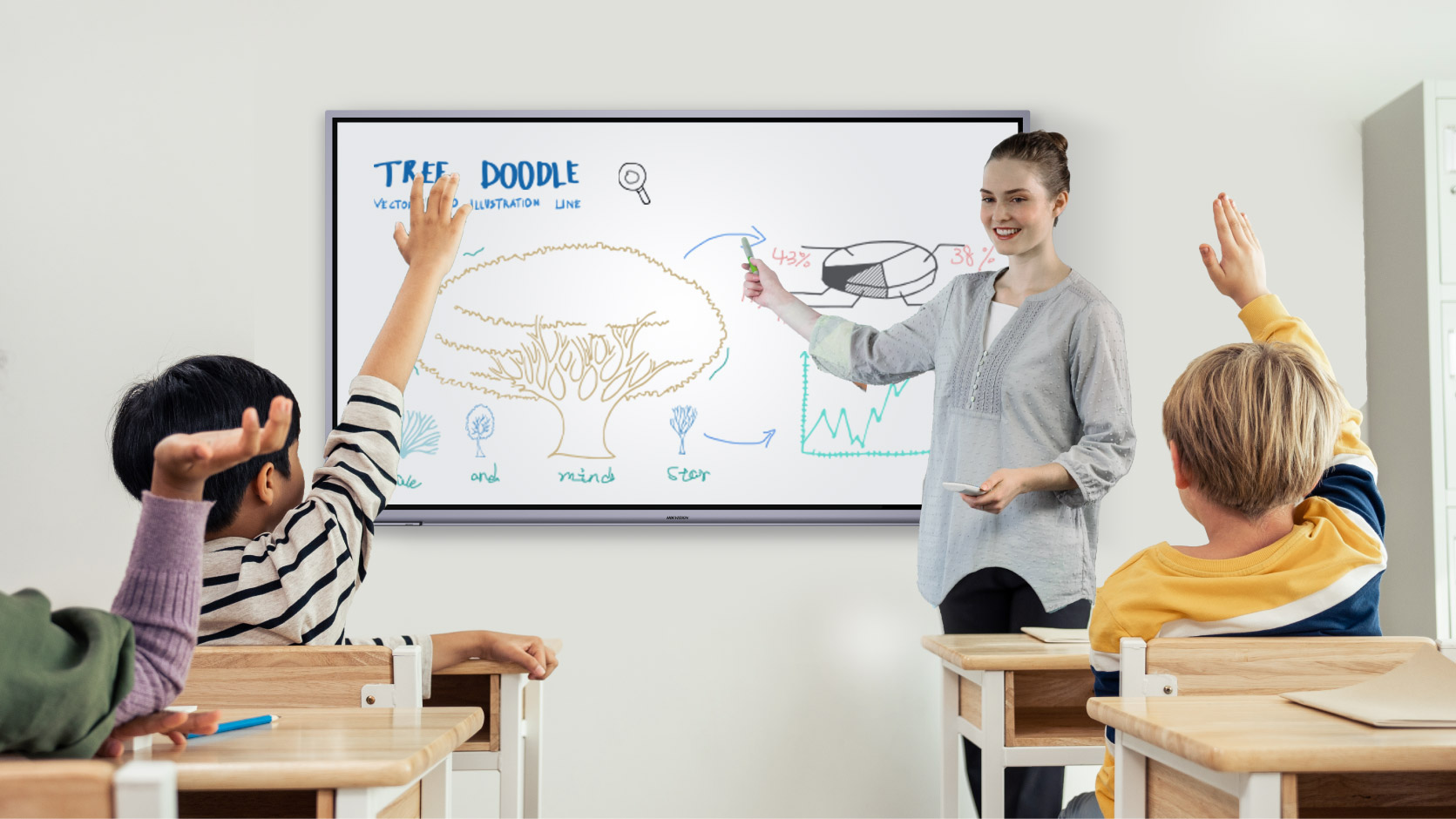
The learning process of students is essentially a process of teacher–student interaction. In this process, the roles of teachers and students significantly influence learning attitudes and outcomes. Constructivist theory holds that knowledge is not simply transmitted by teachers, but is actively constructed by students in specific contexts, with the support of others and learning materials.
Situational learning, collaborative learning, conversational learning, and constructivist learning are regarded as the four key elements of an effective learning environment.
The use of interactive flat panels in classrooms enables teachers to provide rich teaching resources, create authentic learning situations aligned with instructional needs, and support diverse forms of collaboration and dialogue between teachers and students, thereby effectively promoting student learning.
2. Sources and Management of Teaching Resources
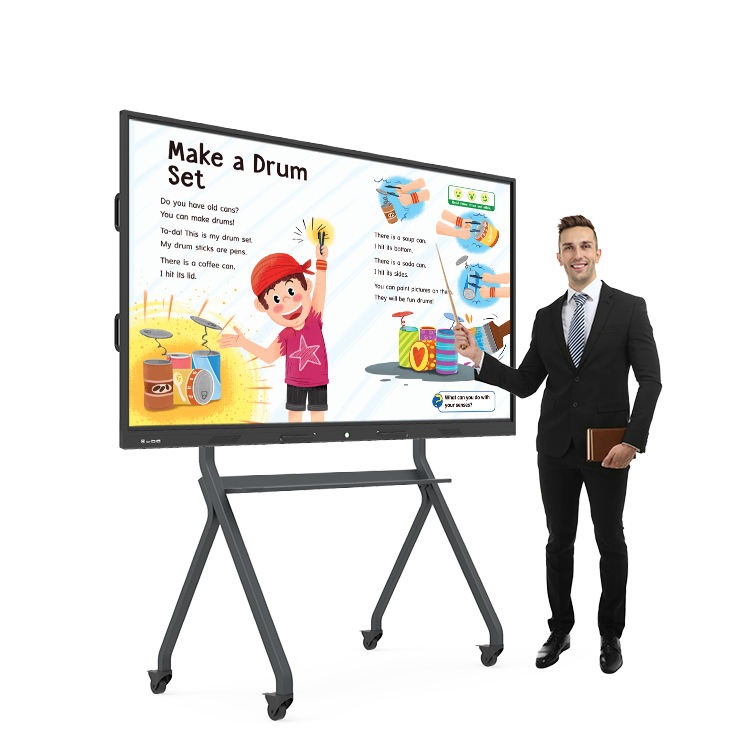
The production and management of teaching resources for interactive flat panels have become an important issue in educational practice. Teaching resources mainly come from three sources: professionally developed resources provided by educational companies, online resources from educational websites and open platforms, and teacher-generated resources tailored to specific teaching needs.
Given this diversity, teachers should use these resources rationally and make appropriate adjustments to ensure they align with classroom objectives and students’ learning conditions.
3. Presentation of Teaching Resources
Interactive flat panels offer multiple functions for presenting instructional content, including audio, video, text, and images, as well as recording, playback, and saving capabilities. These features fully enhance the effectiveness of teaching resource presentation and contribute to improved instructional outcomes.
Teachers should carefully analyze the applicability of different presentation methods for specific teaching content and select appropriate formats to ensure that instructional materials are effectively delivered and aligned with teaching objectives.
4. Interactive Teaching and Student Engagement
Interactive flat panels support diverse teaching methods, which can significantly enhance students’ interest and motivation to participate actively in learning activities. This aligns with the principles of student-centered education.
Due to their ease of use and increasing familiarity with information technology, many students are able to quickly master the operation of interactive flat panels, sometimes even learning from peer observation and informal practice during breaks. This further strengthens collective participation in learning activities and enhances students’ engagement and interest in learning.